
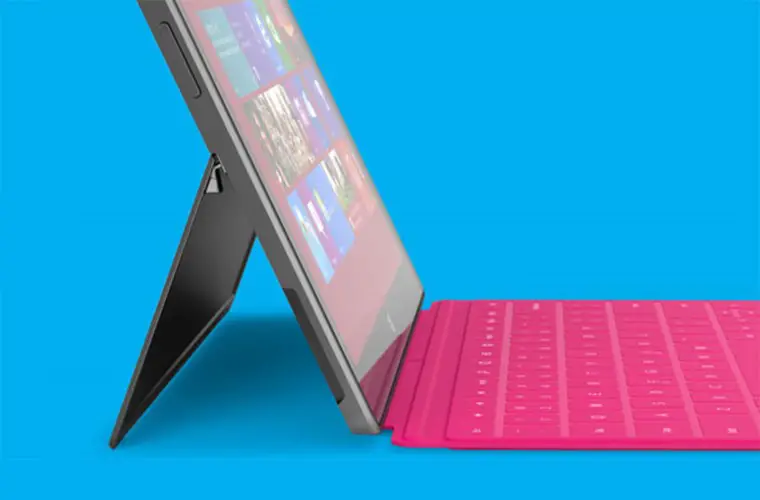
Windows RT tablets will cost $200-$300 less than their Intel-based counterparts, says Lenovo

In an interview with Bloomberg, Lenovo’s North American Senior Vice President David Schmoock revealed that Windows RT tablets will cost somewhere between $200 to $300 less than devices running your more traditional Intel-based Windows 8. With Windows 8 devices retailing for somewhere in the $600 to $700 price range, according to Schmoock, that puts equivalent Windows RT devices at approximately $300 on the low end and $500 on the high end.
This is a much larger price difference than many people believed. ARM processors allow manufacturers to create devices which are quieter, cooler, thinner, and more power efficient. If these devices are up to $300 cheaper as well, then it’ll make picking one up a no-brainer unless you absolutely require the ability to install legacy applications on the desktop. In most cases, the apps found on the Windows Store will work just fine.
Schmoock’s comments also make the rumored $200 pricing for the Microsoft Surface a little less far-fetched, even though it’s still extremely unlikely that it will ever reach that price point without a subscription of some sort. Regardless, it sounds like the new Windows 8 PCs being introduced on October 26 will be priced very aggressively, allowing them to compete with both low-cost devices like Kindle Fire and Nexus 7 (in some respects) and tablets like the iPad.
[Bloomberg]